
Cervical alignment • Cooler sleep • Long-lasting support
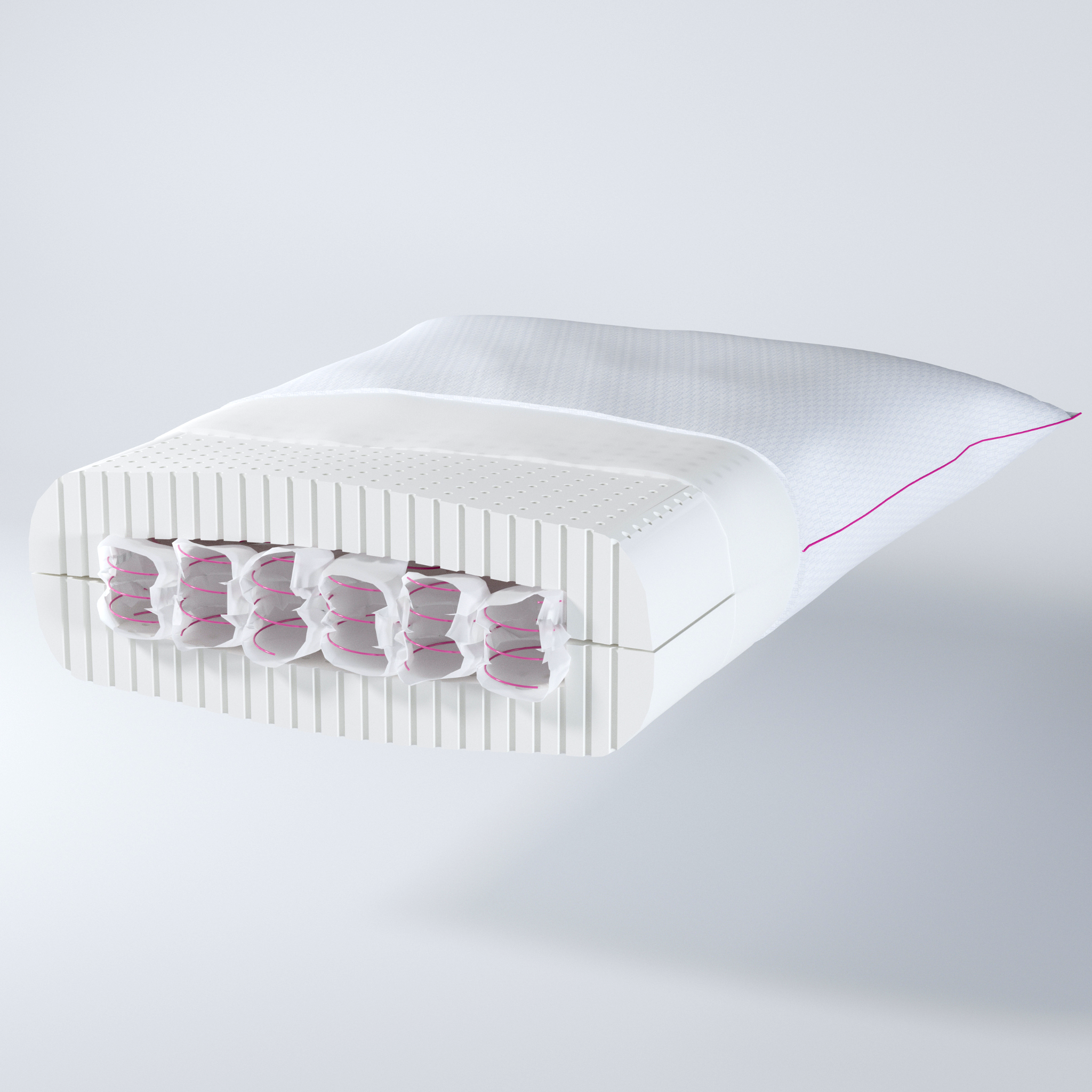
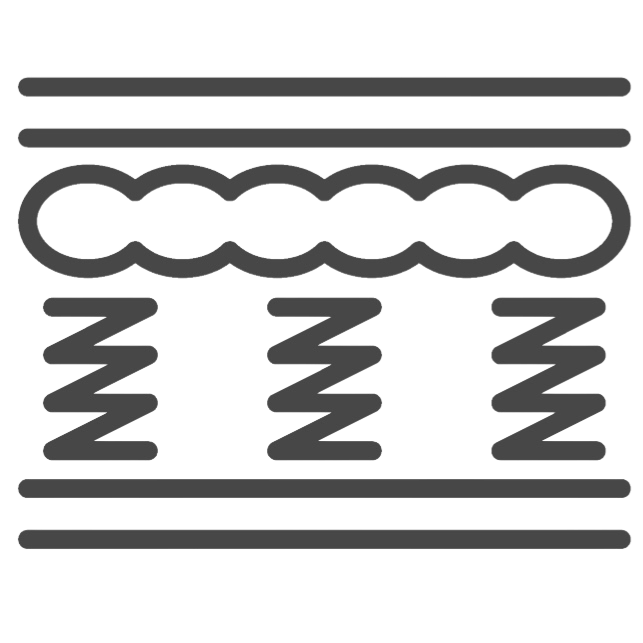
Sleepit combines 60 independent springs, viscoelastic foam, and airflow channels
to support your neck, follow your movements, and create a more breathable sleep environment.
30-night trial • Made in Italy • Designed to adapt to you


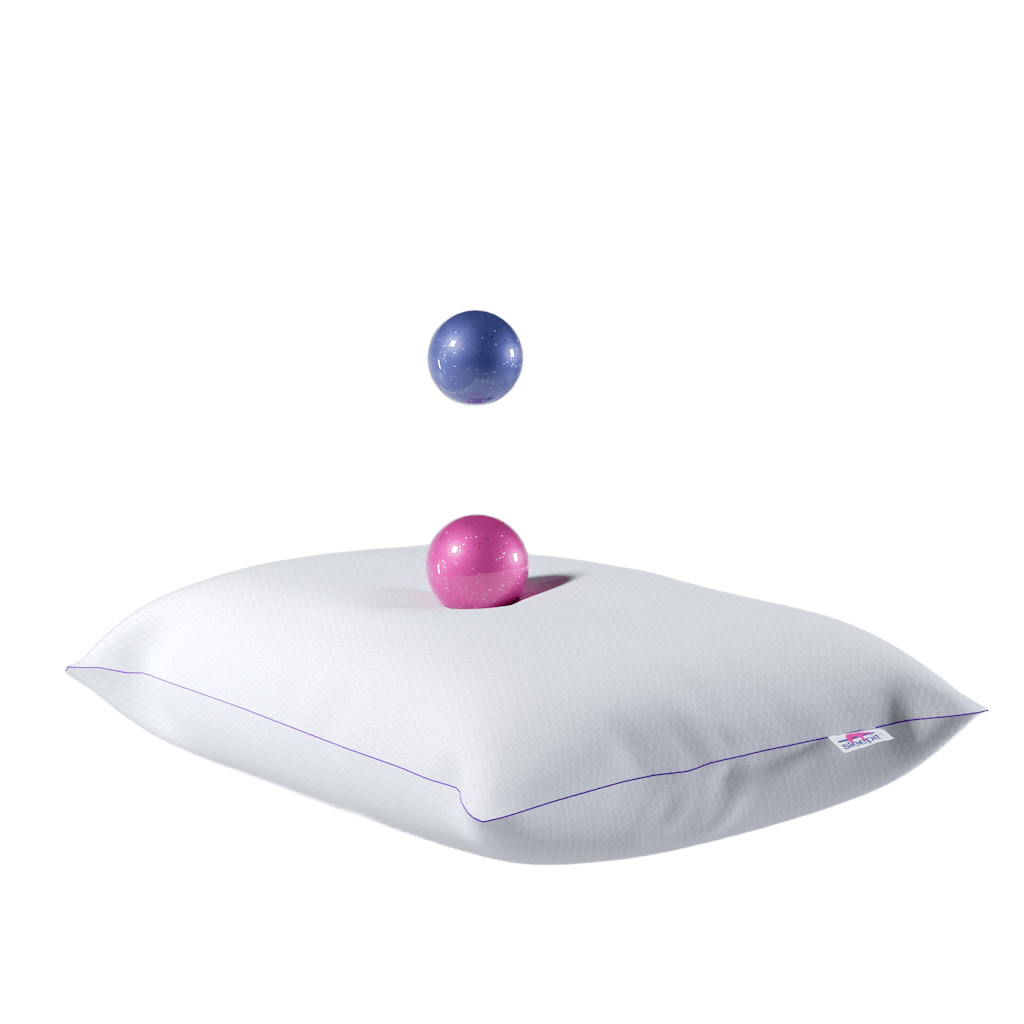
Maybe your pillow is asking too much from your body
A good pillow should support you quietly.
Not make your neck, shoulders, and sleep do all the work.
You wake up stiff
As if your neck never fully relaxed during the night.
You keep searching for the cool side
Because heat and humidity disturb sleep more than you think.
You keep adjusting your position
As if your head never really settles where it should.
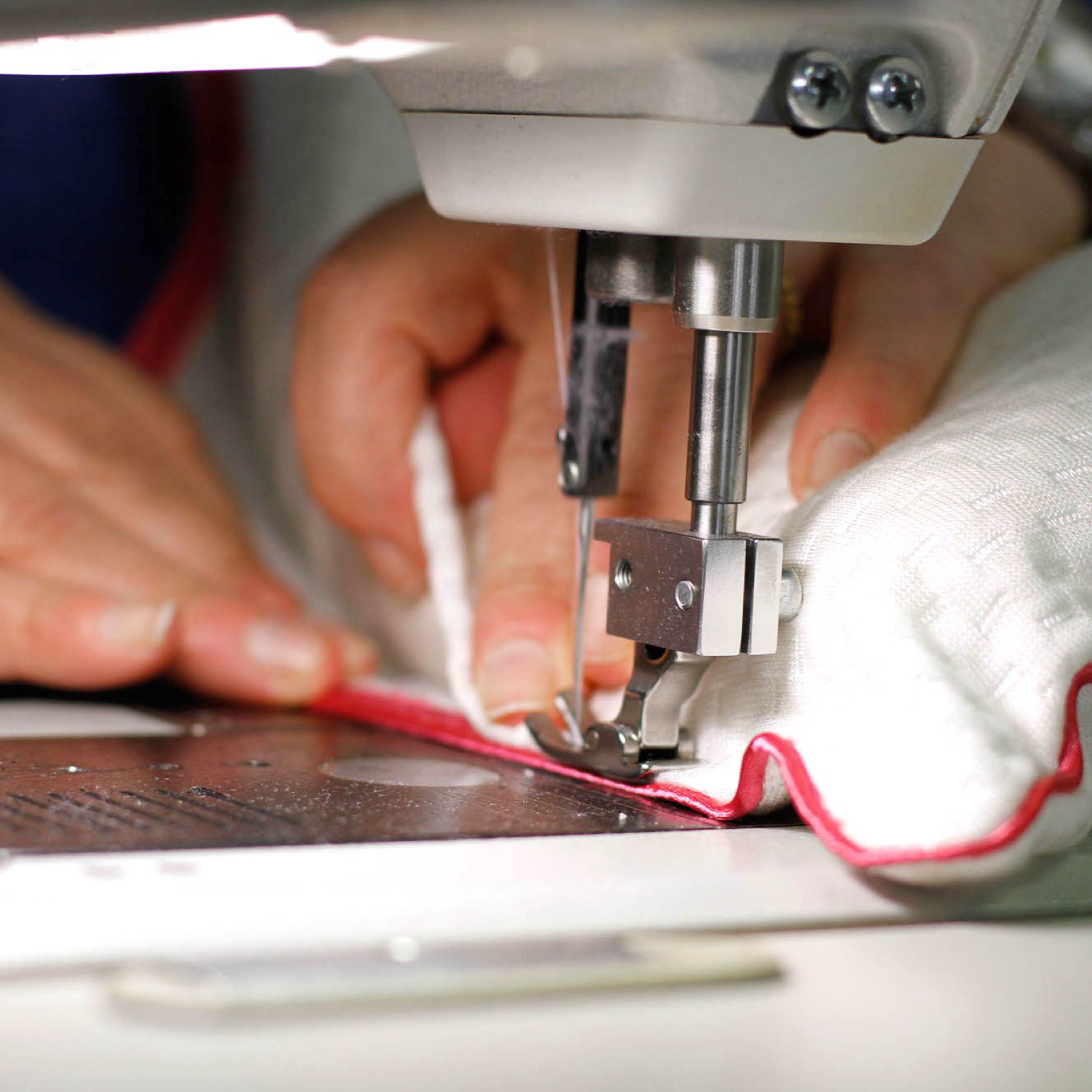
That is exactly where Sleepit was designed to be different.
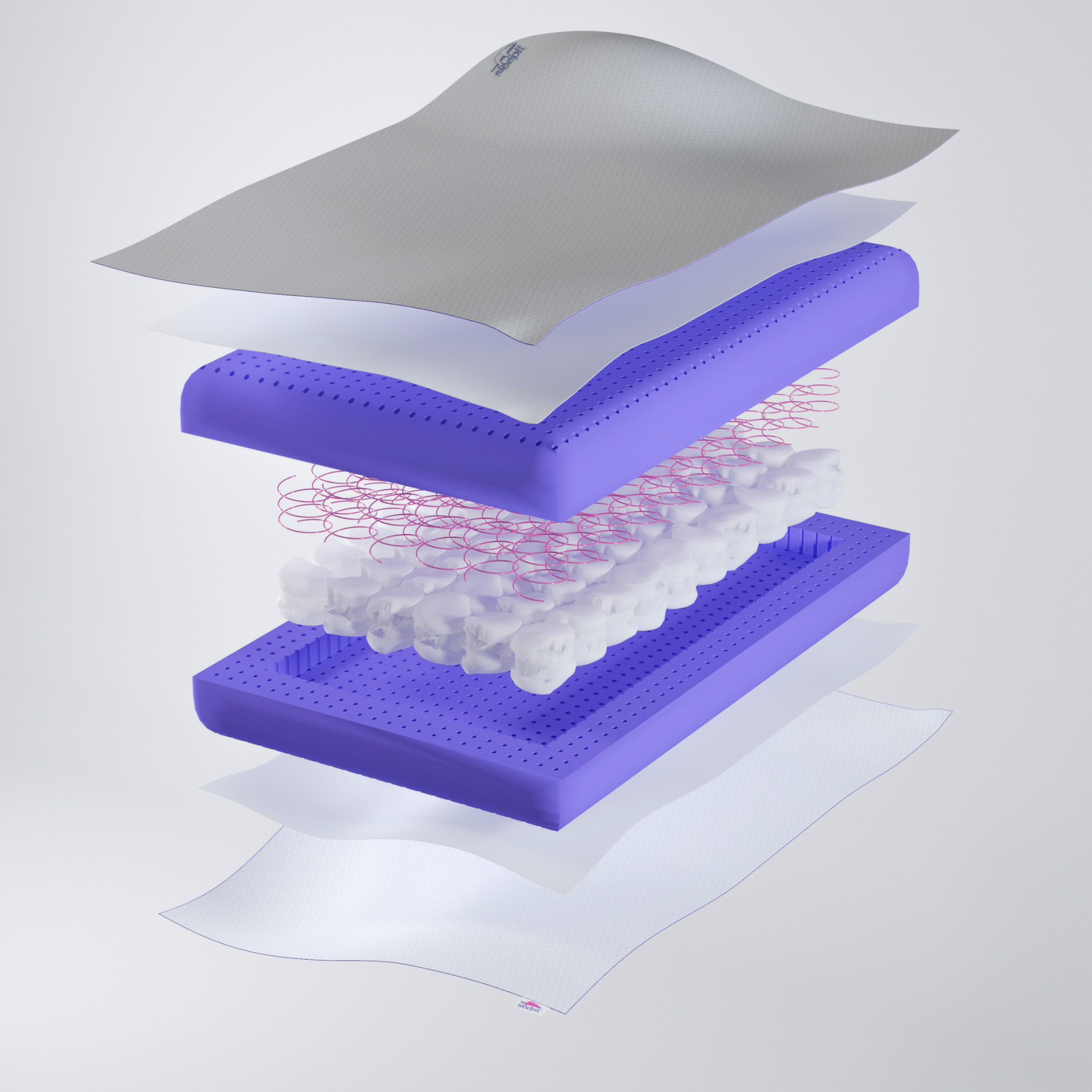
Tested over 300,000 cycles, the pillow maintains its shape
and support night after night.
60 independent springs respond to your shape and movements,
helping your head and neck stay aligned in both back and side positions.
2,000 perforations and internal air volume allow heat and humidity
to escape as you move during the night.
This is not just comfort.It’s how support is meant to work.
What supports the Sleepit design
Sleepit was not built around a feeling alone.Its structure, ergonomic logic, and durability have all been tested from different angles.
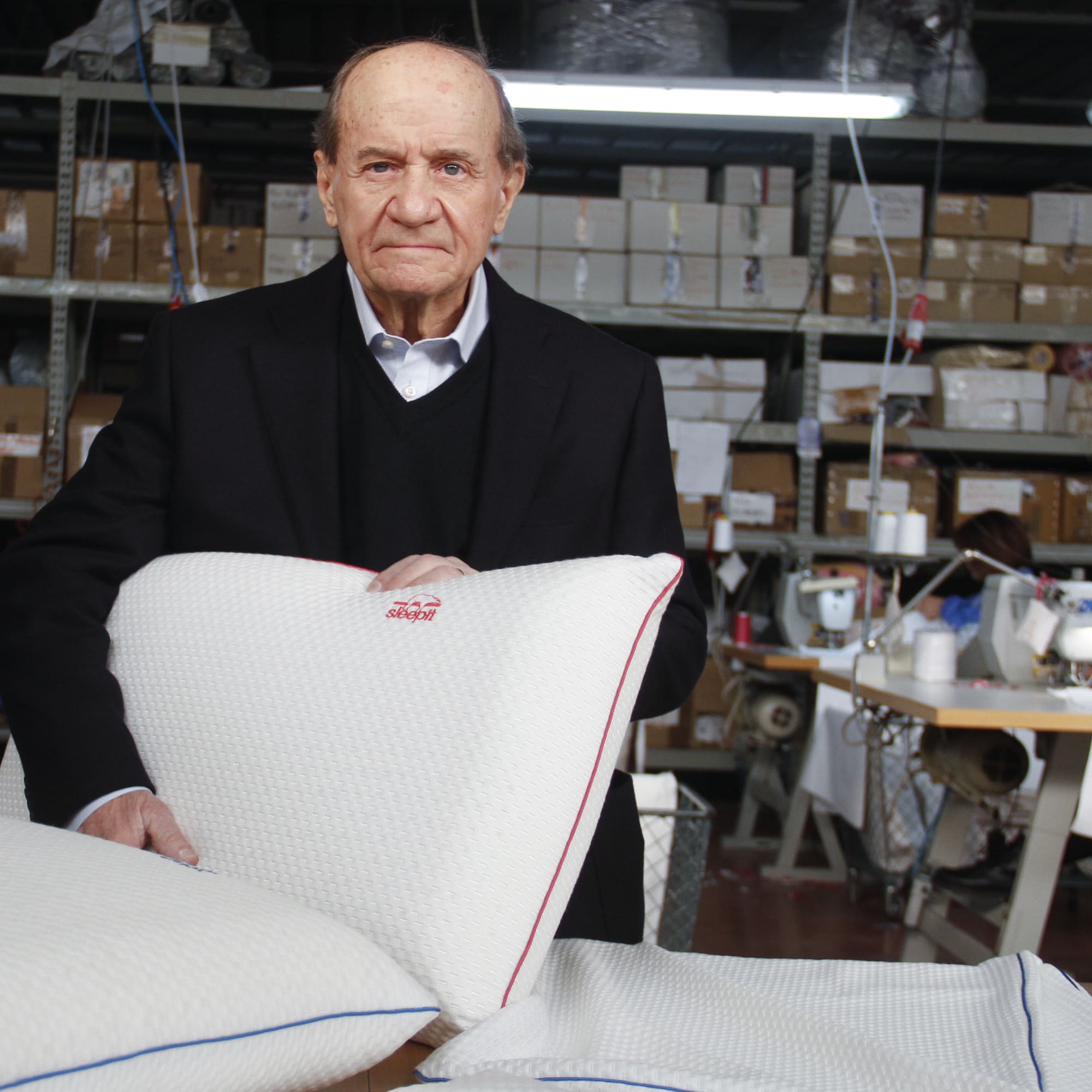
Giuliano — Founder
A pillow should adapt to the person.Not the other way around.
Support and alignment, designed to follow your body through the night.
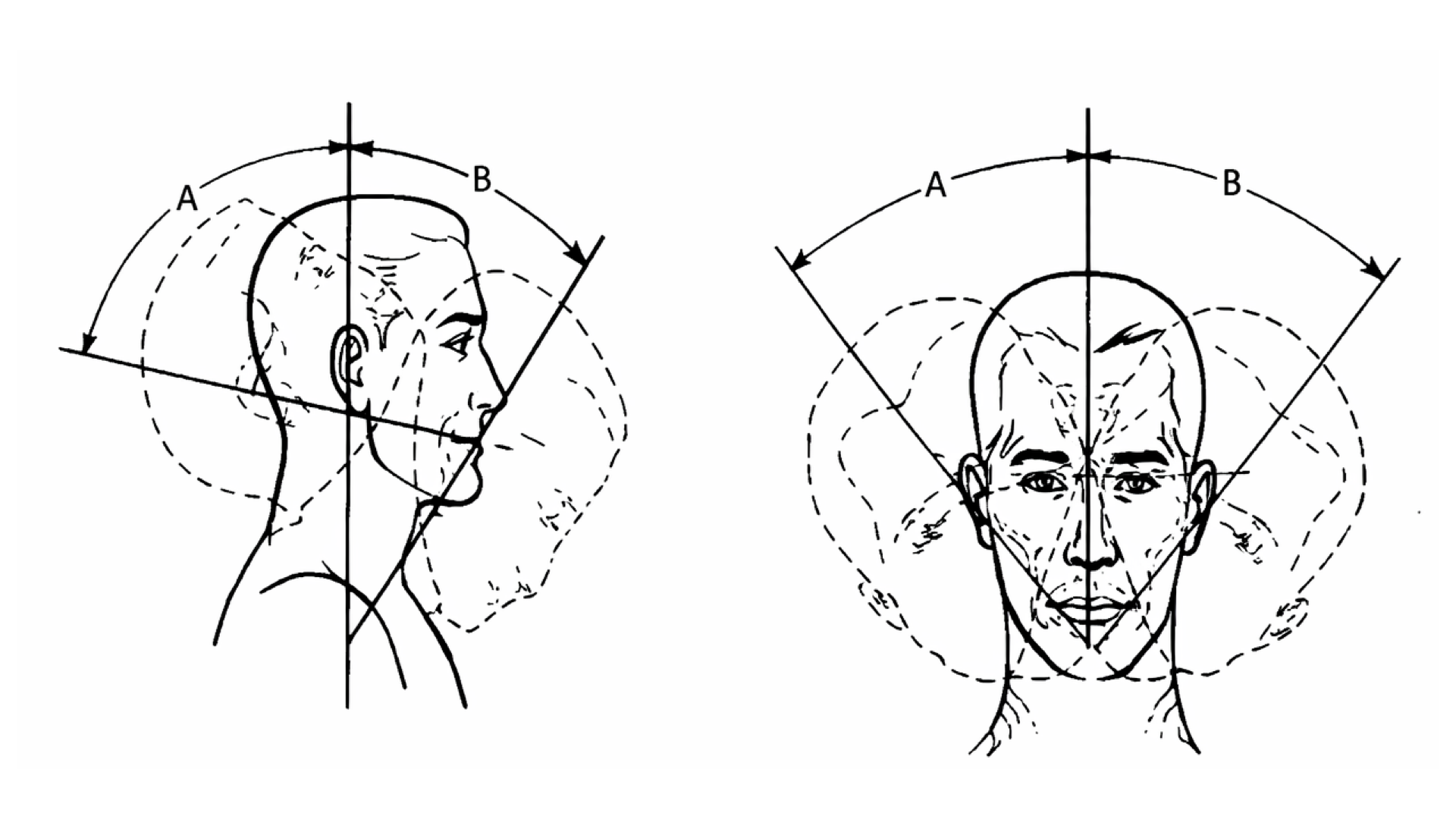
Published clinical trial
Studied in a randomized controlled trial with 70 adults,
showing improvements in neck pain, sleep quality, and perceived comfort.

ErgoCert ★★★★★
Maximum ergonomic certification for the Viscospring series,
confirming proper cervical alignment in different sleep positions.
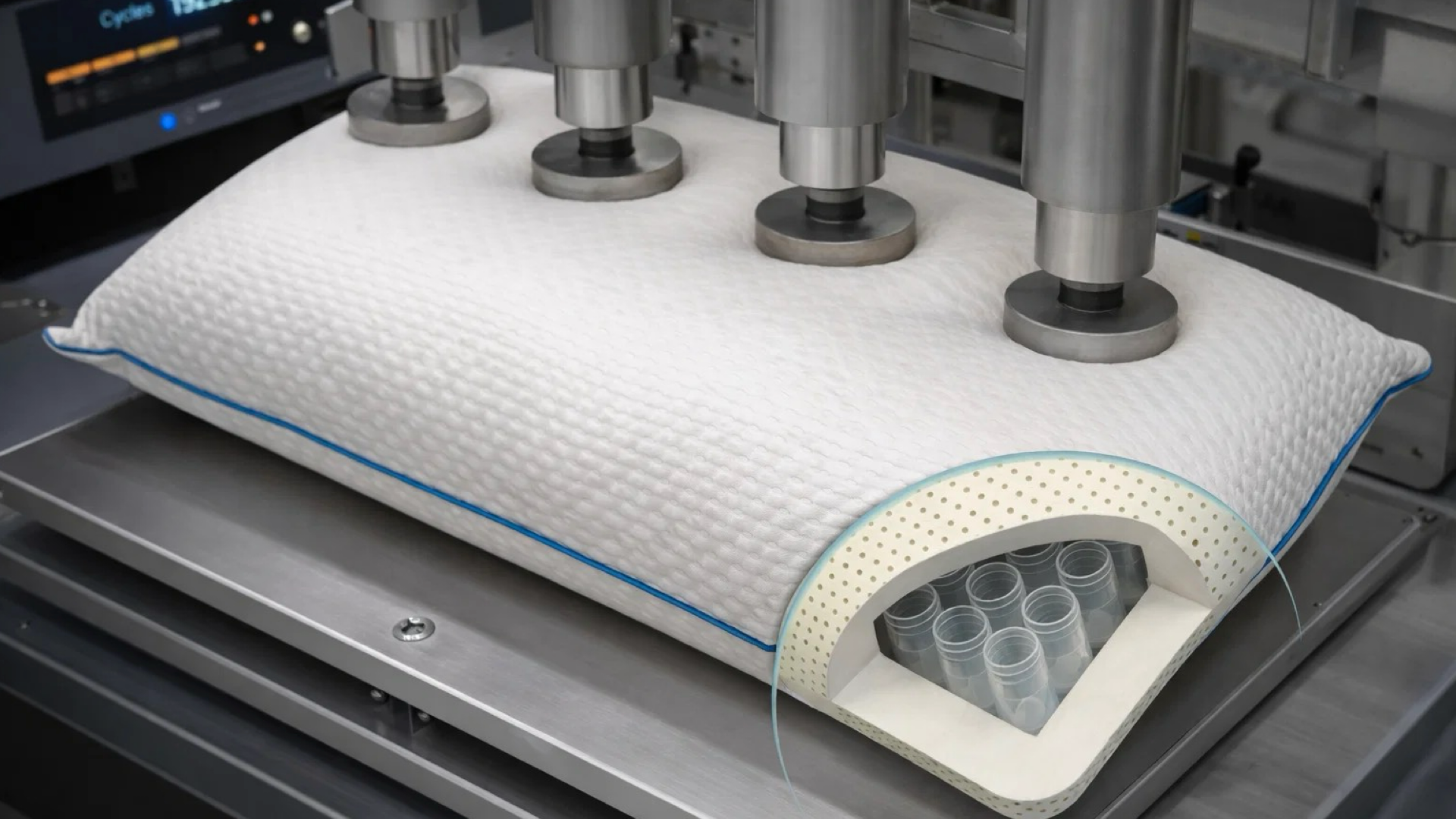
300,000 cycles tested
No visible changes in appearance
and no significant change in height after fatigue testing.
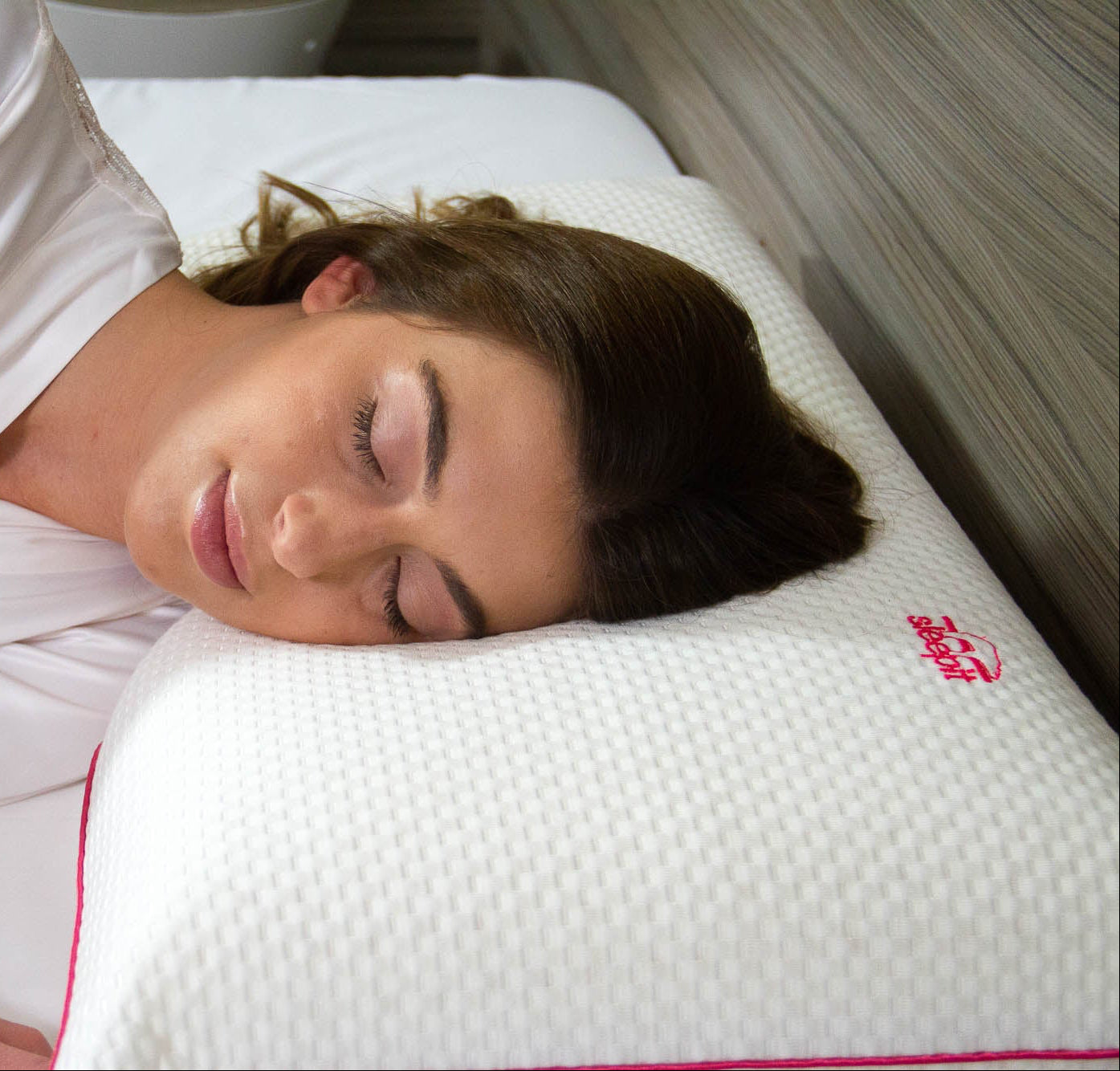
If it feels different, it probably is.
That’s exactly why the experience is measured over nights — not seconds.
Most pillows feel “right” immediately
because they don’t change anything.
Sleepit works differently.
Its adaptive structure supports your neck in a new way, and your body may need a few nights to adjust.
Try it for 30 nightsUsed by athletes, therapists, and everyday sleepers
Not everyone needs the same pillow.But many recognize the same problem.
Different people.
Same realization.

I didn’t expect a pillow to make that much difference.
I train regularly, and recovery is everything.
After a few nights, I noticed my neck wasn’t holding tension anymore in the morning.
— Cyril Benzaquen, Muay Thai and Kickboxing world champion.
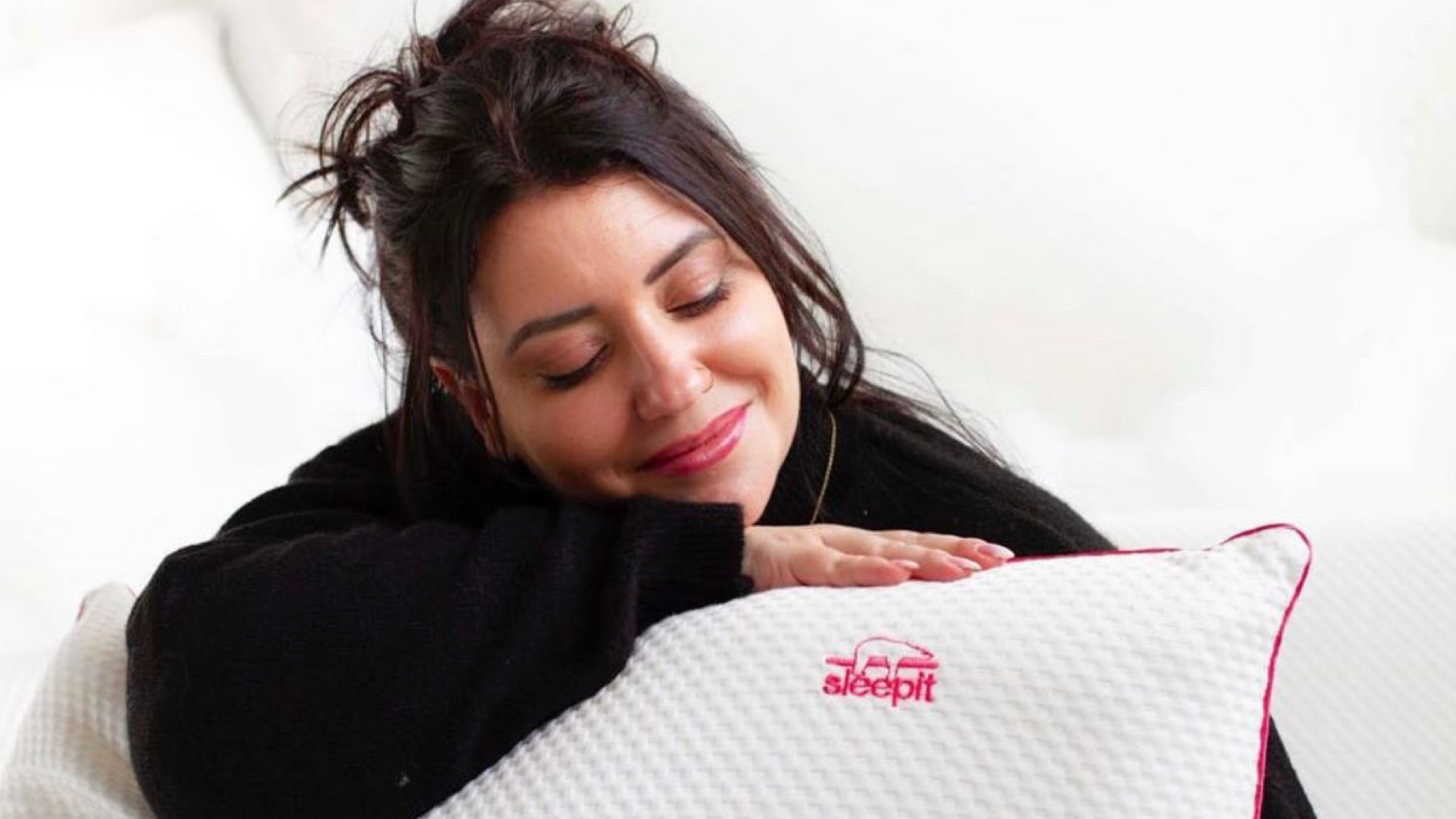
I stopped thinking about my pillow.
I used to move constantly during the night.
Now I just fall asleep — and stay there.
— Marjorie, mum of 2
It felt different at first… then it made sense.
The first nights were surprising.
But after a few days, I understood what it was doing.
— Claire, physiotherapist
Why Sleepit is not a €30 pillow
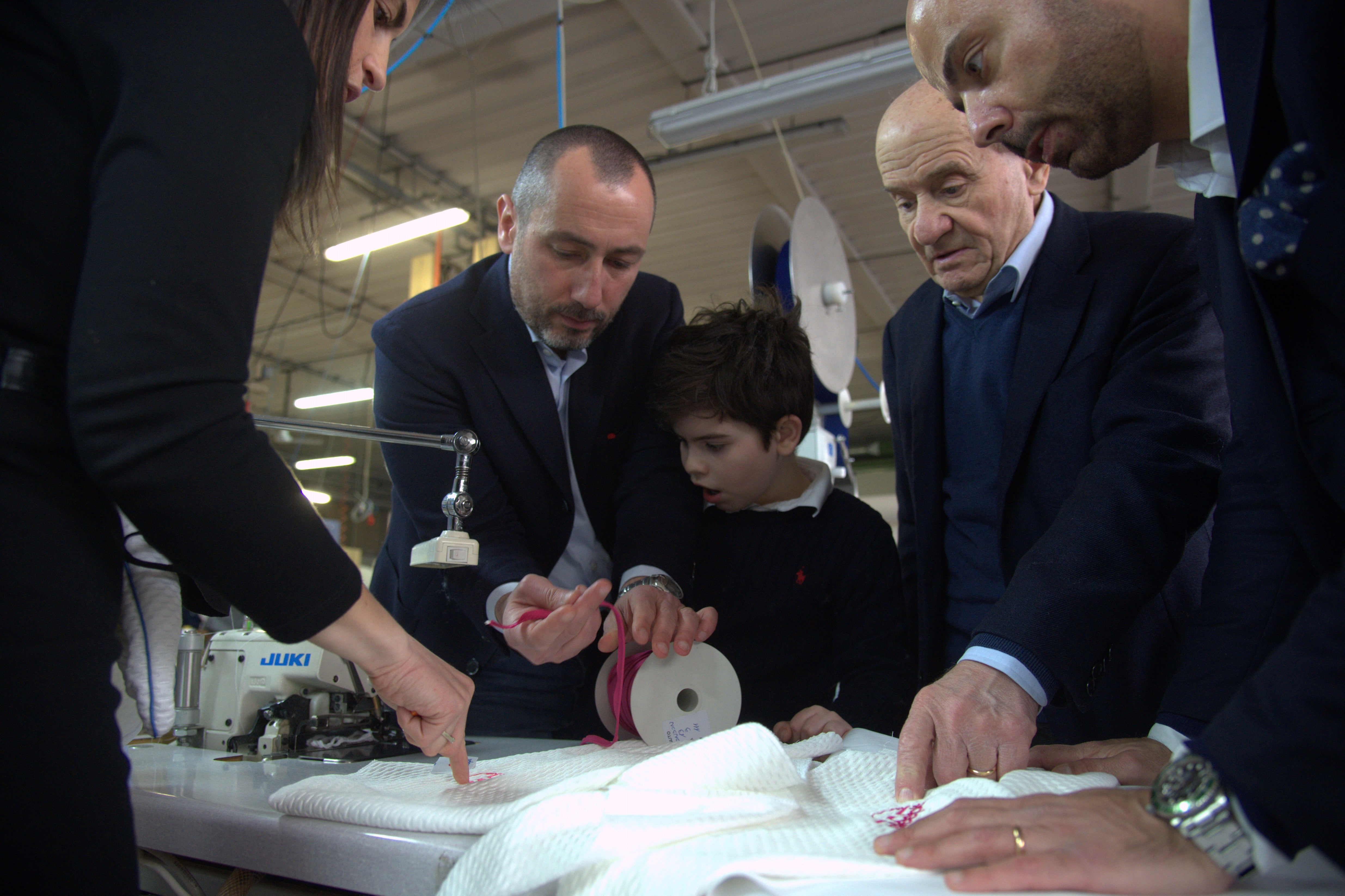
Sleepit was not created as a decorative sleep accessory.
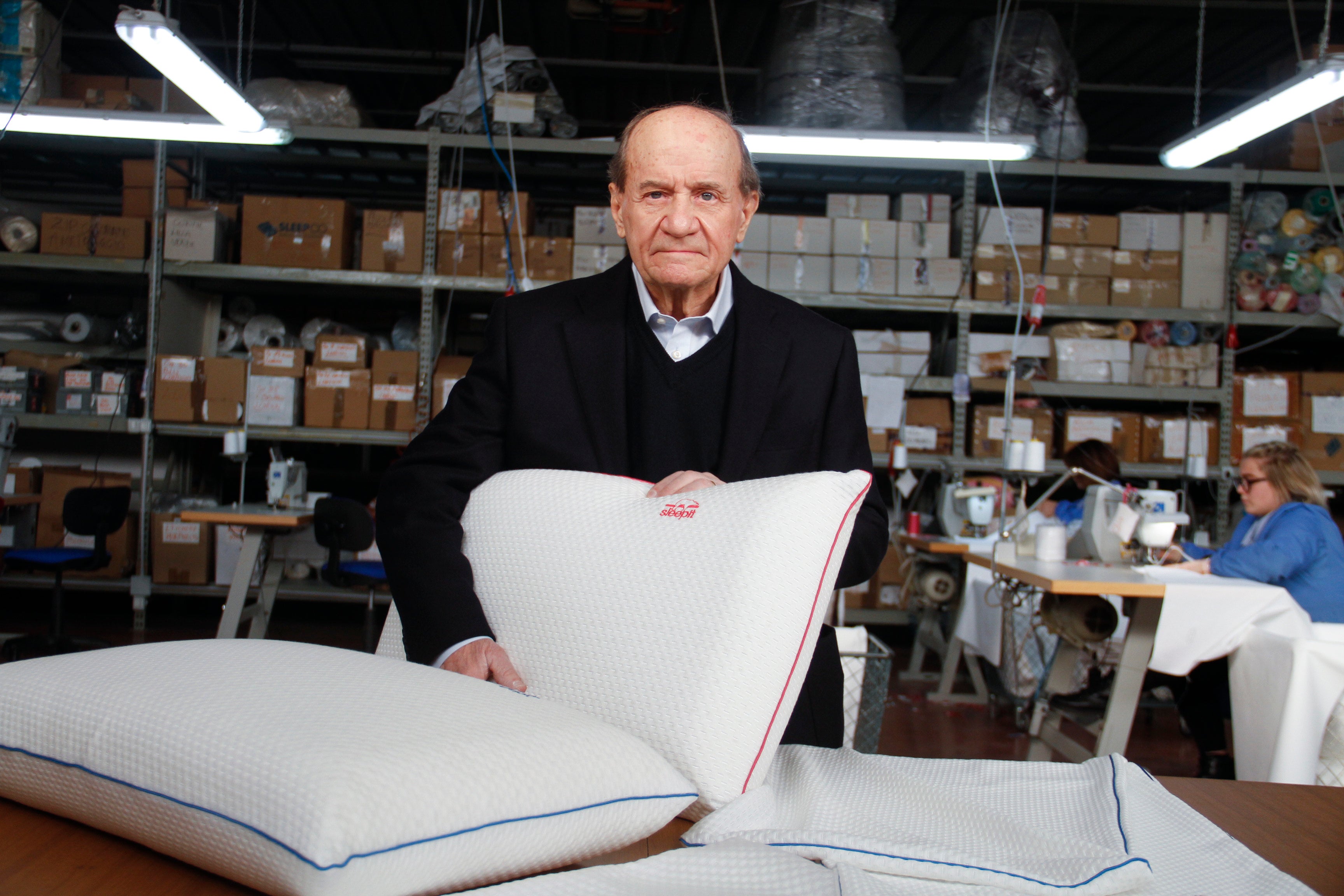
It was built as a high-performance pillow with a specific structure, tested support, selected materials, and production carried out in Italy. The training transcript also states that the company has been producing these pillows for over fifty years, exports them internationally, and manufactures internally rather than outsourcing production.
Most pillows rely on foam alone.
Sleepit combines viscoelastic material with 60 independent springs designed to adapt to the sleeper’s shape and movements. The clinical study describes the tested pillow as viscoelastic polyurethane with 60 independent springs.
Its support was studied in a randomized controlled trial, evaluated through ErgoCert, and fatigue-tested over 300,000 cycles. The trial recruited 70 adults and 64 completed it; the ErgoCert report awards Viscospring five stars; the fatigue test reports no visible change in appearance and no significant change in height.
They talk about Sleepit





Questions, before you decide
A pillow is personal.
Here are the answers to the questions most people ask before trying Sleepit.
Do you feel the springs?
No.
The springs are integrated inside the pillow’s structure and are designed to work without being felt directly. Their role is to adapt to your shape and movements during sleep — not to create pressure. This exact objection is addressed in the transcript, where Sleepit explains that the springs are very fine, internally produced, and designed specifically for the pillow so they do their job without being perceived.
Is it suitable for side sleepers?
Yes.
Sleepit was designed to support both back and side sleeping positions by adapting to the space between the head and the mattress. The clinical study and the ErgoCert material both describe the pillow in terms of cervical alignment and ergonomic support across different sleep positions.
What if it feels unusual at first?
That can happen.
Sleepit works differently from a traditional pillow, so your body may need a few nights to adjust to a new type of support. That is exactly why the experience matters over several nights, not just the first few minutes.
Why is Sleepit more expensive than a standard pillow?
Because it is not built like a standard pillow.
Its structure combines viscoelastic material and 60 independent springs, and its performance has been studied, certified, and mechanically tested. The transcript also states that production is fully made in Italy and carried out internally.
How do I know it will work for me?
No pillow is universal.
But Sleepit was designed to adapt to a wide range of sleepers, and its structure, ergonomic behavior, and durability have been documented from different angles. That is also why the 30-night trial matters: it gives you time to judge the experience properly.
What has actually been tested?
Three things, mainly:
- the pillow’s effect in a published randomized controlled trial,
- its ergonomic characteristics through ErgoCert,
- and its long-term structural resistance through fatigue testing up to 300,000 cycles.
A vision built over decades
Giuliano — Founder
Try it for 30 nights. Judge it in the morning.
The right pillow is not decided in a scroll.
It is decided by your neck, your sleep, and how you feel when you wake up.