
Scientific studies
Proof matters when support becomes a decision
Sleepit was not built around feeling alone.
Its structure, ergonomic logic, and long-term performance have been evaluated through clinical study, ergonomic certification, and fatigue testing.
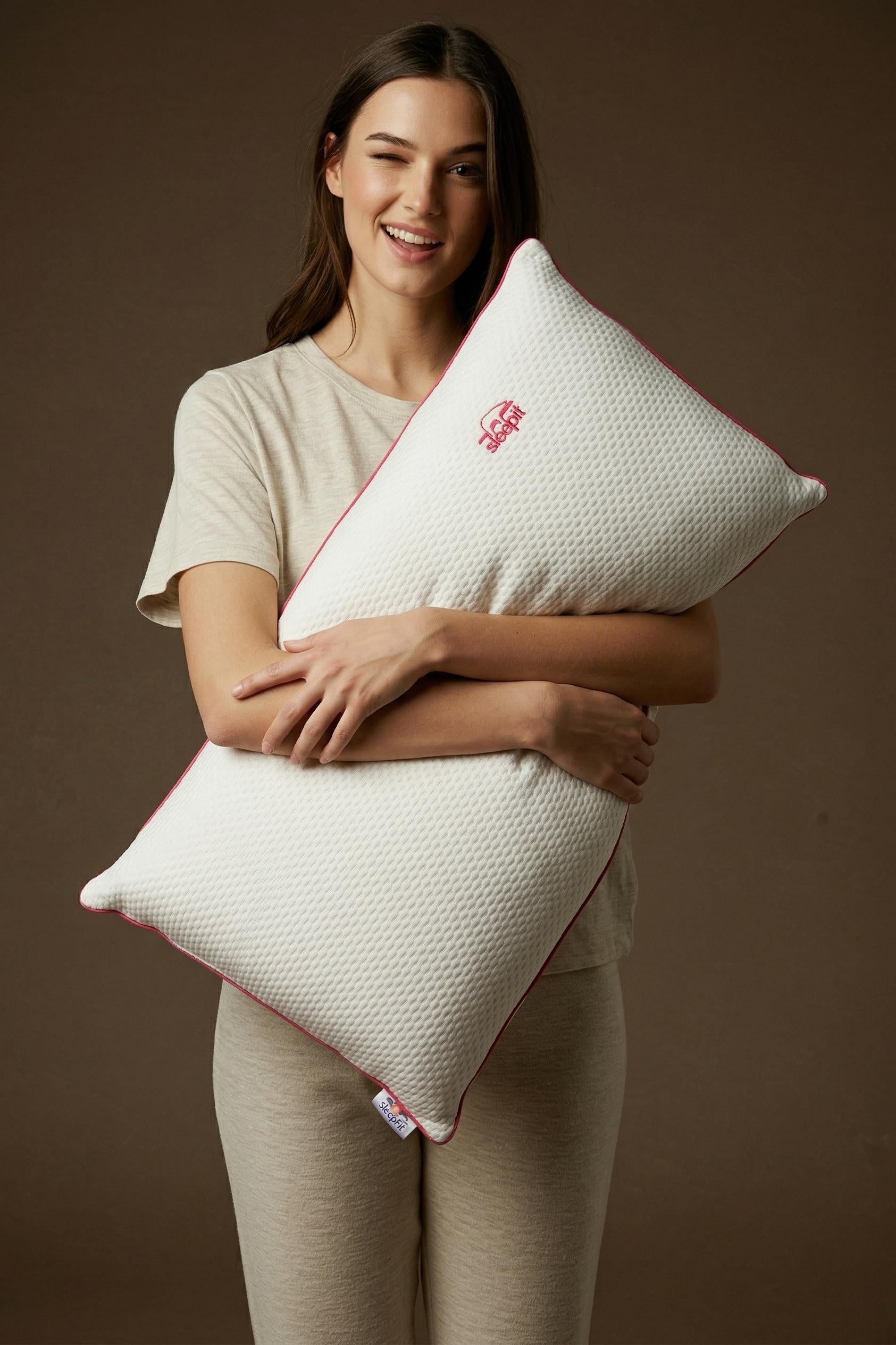
Published clinical study
Studied in adults with chronic nonspecific neck pain
A randomized controlled crossover trial evaluated the use of the spring pillow in adults with chronic nonspecific neck pain. The study recruited 70 adults, and 64 completed the trial.
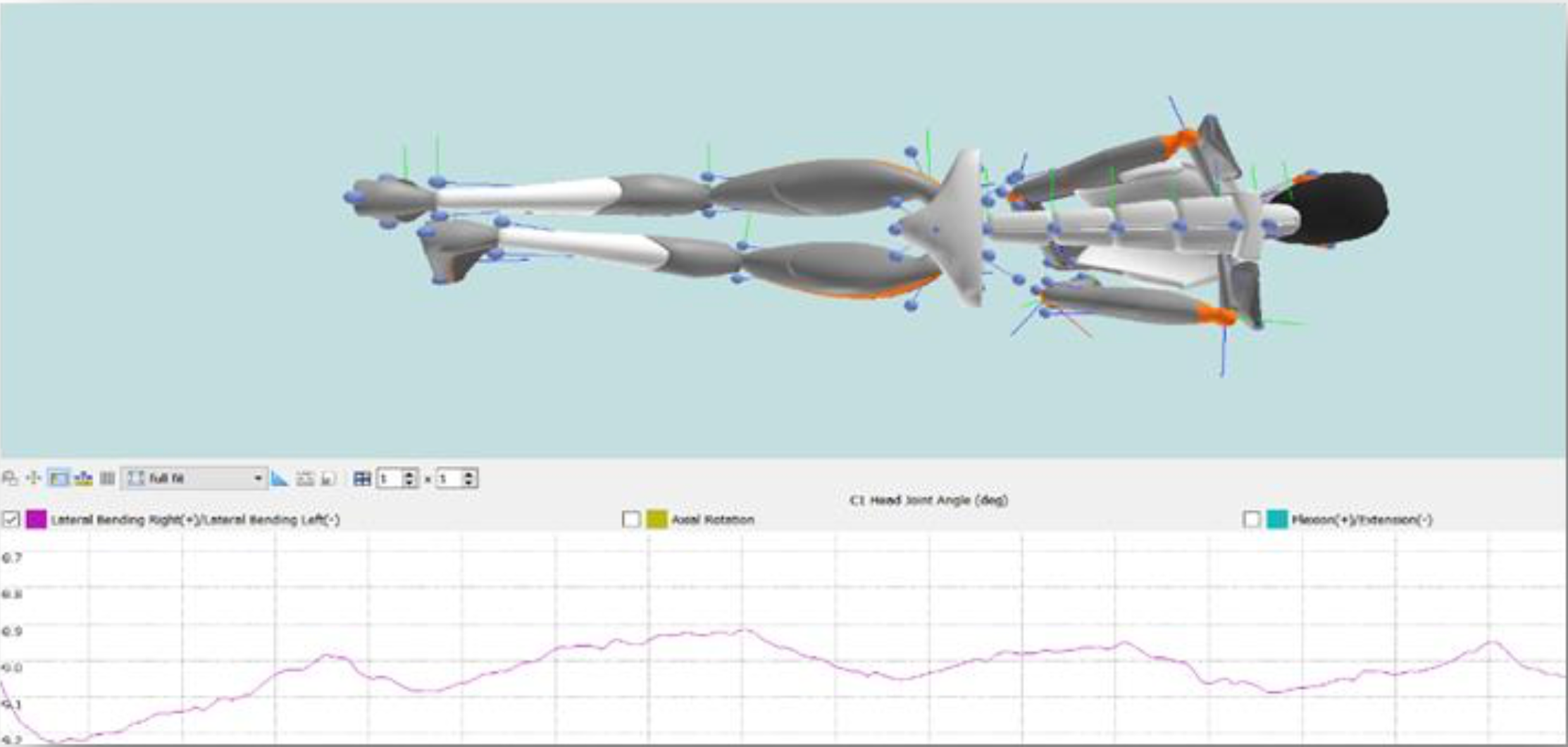
In the following figure is shown the calculated angle within the segment between the Cervical Vertebrae C7 and the vertex of the head, in relation to lateral position.
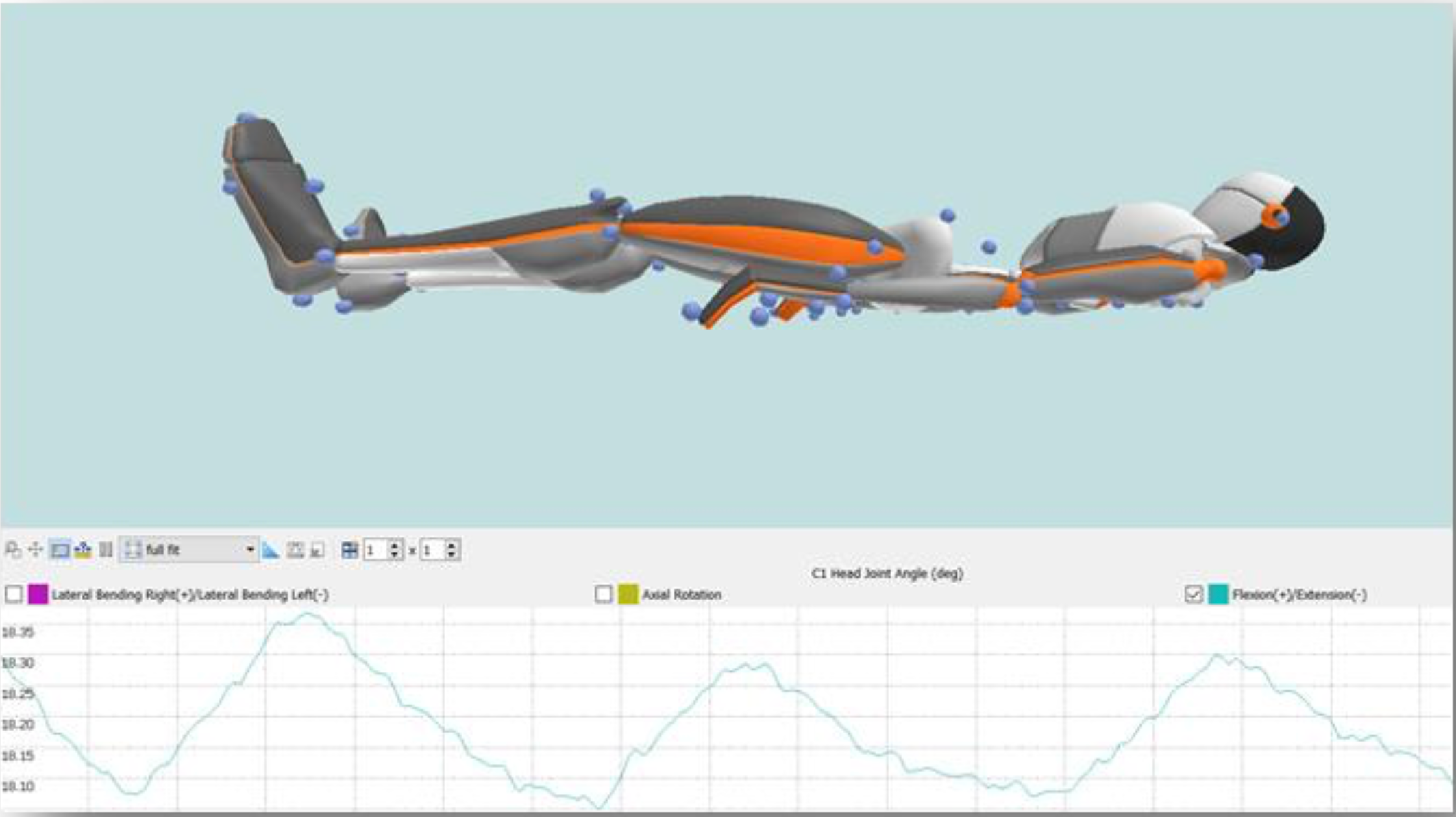
The following figure shows the angle included between the Cervical Vertebrae C7 and C1 in relation to supine position.
In the following figure is shown the calculated angle within the segment between the Cervical Vertebrae C7 and the vertex of the head, in relation to lateral position.
The following figure shows the angle included between the Cervical Vertebrae C7 and C1 in relation to supine position.
Participants were divided into two groups. One group used the spring pillow for 4 weeks, while the other followed an educational intervention for 4 weeks using their usual pillows. After a 4-week washout, the groups crossed over. Outcomes included neck pain, headache, disability, sleep quality, perceived improvement, and pillow comfort.
Compared with education, the spring pillow showed improvements in:
- neck pain
- thoracic pain
- headache
- disability
- sleep quality
The study does not conclude that the spring pillow is superior to every ergonomic pillow on the market. The authors state clearly that whether it is more effective than other ergonomic or high-quality pillows remains to be tested.
A published study does not replace experience. But it gives the product a serious foundation.

ErgoCert ★★★★★
Ergonomic alignment, evaluated beyond comfort
The ErgoCert report evaluates the ergonomic characteristics of the pillow across multiple areas, including polytechnical, biomedical, usability, sustainability, and — for the Viscospring series — user experience. The certification awarded to the Viscospring series is Ergonomics Certified ★★★★★.
What was evaluated
The report looks beyond subjective comfort. It includes ergonomic requirements related to anthropometric adaptability, cervical alignment, usability, and material non-toxicity. The specification requires the pillow to work across different users and to remain compliant in both supine and lateral positions.
Why alignment matters
The report measures cervical deviation in both sleeping positions:
- C7–C1 in supine position
- C7–head in lateral position
The purpose is not to create a “soft” pillow, but a pillow that helps maintain a more acceptable cervical relationship while sleeping.
What the result means
For the Viscospring series, the report concludes with the highest certification level: ★★★★★.
In practical terms, that means the pillow’s ergonomic behavior was evaluated as more than a comfort impression — it was assessed through a structured certification framework.
The report looks beyond subjective comfort. It includes ergonomic requirements related to anthropometric adaptability, cervical alignment, usability, and material non-toxicity. The specification requires the pillow to work across different users and to remain compliant in both supine and lateral positions.
The report measures cervical deviation in both sleeping positions:
- C7–C1 in supine position
- C7–head in lateral position
The purpose is not to create a “soft” pillow, but a pillow that helps maintain a more acceptable cervical relationship while sleeping.
For the Viscospring series, the report concludes with the highest certification level: ★★★★★.
In practical terms, that means the pillow’s ergonomic behavior was evaluated as more than a comfort impression — it was assessed through a structured certification framework.
Not just comfortable. Measured for alignment.
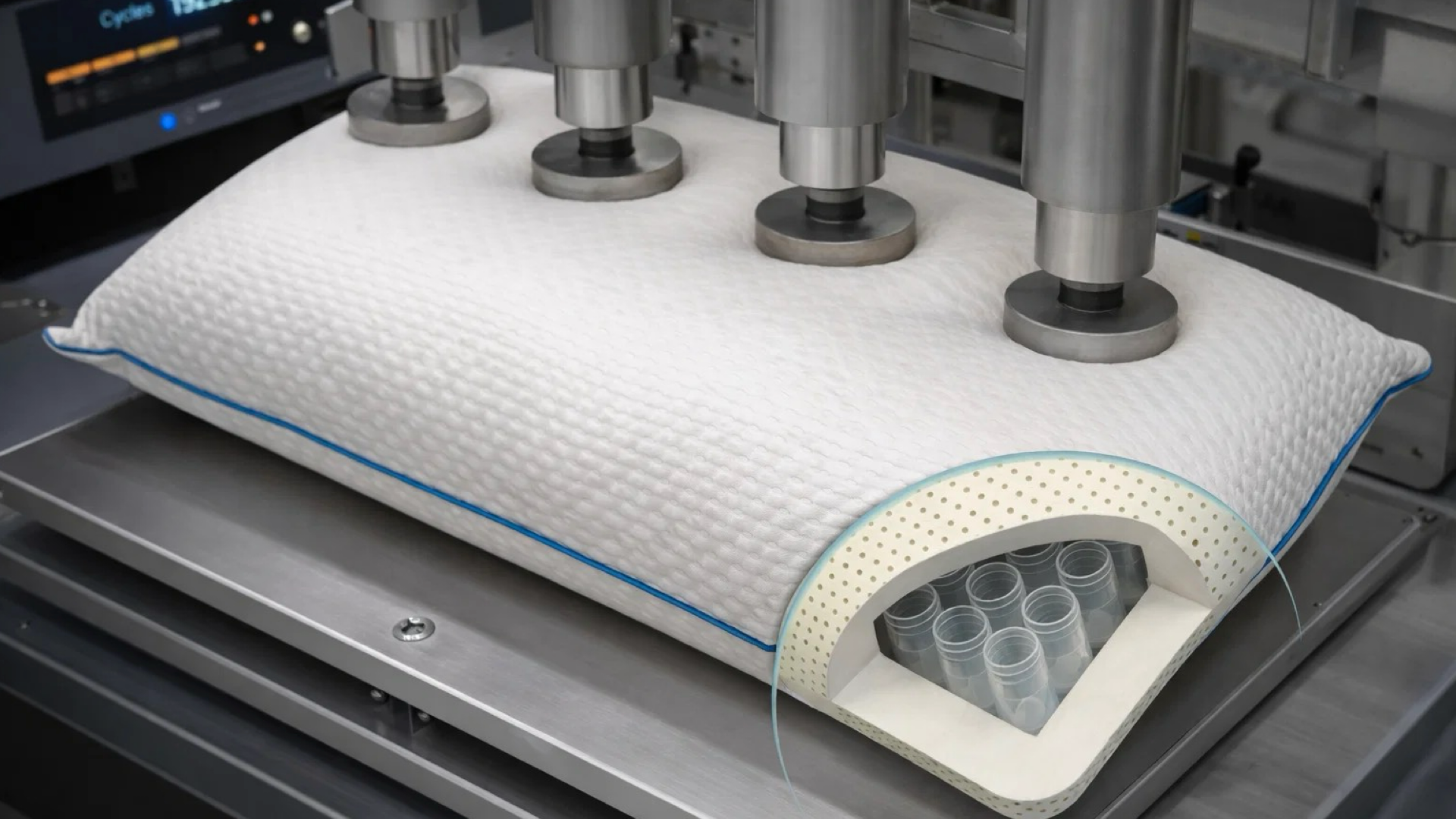
Durability test
300,000 cycles tested
A good first impression matters.
Structural consistency matters more.
The fatigue test was carried out in three phases of 100,000 cycles, with intermediate measurements taken along the way. According to the report, pillow height remained at 152 mm before fatigue, 152 mm after 100,000 cycles, 151 mm after 200,000 cycles, and 152 mm after 300,000 cycles.
The lab conclusion states that, at the end of the test, there were no visible changes in appearance and no significant changes in height.
Not only designed to support. Tested to keep doing so.
Materials & safety
Designed to support a cleaner sleep environment
Sleepit’s materials were not only chosen for comfort and performance.
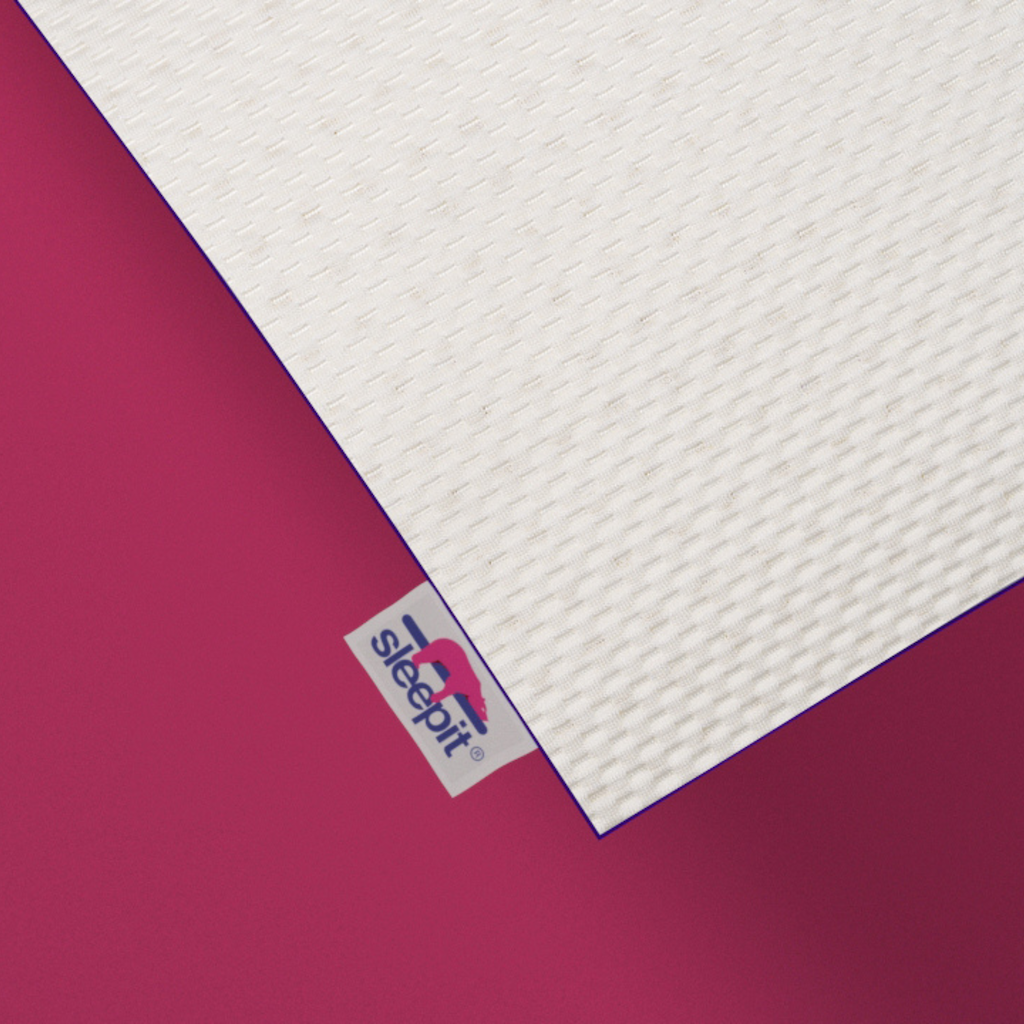
According to the ErgoCert report, the constituent materials of the Sleepit pillow is awarded the Öko-Tex 100 quality mark, and the raw material suppliers comply with REACH requirements — meaning the pillows are documented as free from harmful substances. The same report also references documentation describing the products as special, non-hazardous waste with no potentially hazardous property.
More than a promise. Still not a shortcut.
What these results mean
The available evidence supports three things clearly:
Sleepit was studied in adults with chronic nonspecific neck pain, where improvements were observed in neck pain, headache, disability, sleep quality, perceived improvement, and comfort compared with education.
Its ergonomic behavior was also evaluated through a structured certification framework, with the Sleepit pillow receiving ErgoCert ★★★★★.
And its structure was fatigue-tested over 300,000 cycles, with no visible changes in appearance and no significant changes in height reported in the lab conclusion.
At the same time, these results do not mean that one pillow is automatically perfect for everyone, or that Sleepit has been proven superior to every other high-quality ergonomic pillow. The published study itself says that comparison with other ergonomic pillows remains to be tested.
A serious product deserves serious language.
Sleepit is not built around claims alone.
It is designed to be understood, then experienced.
30-night trial • Made in Italy • Designed to adapt to you